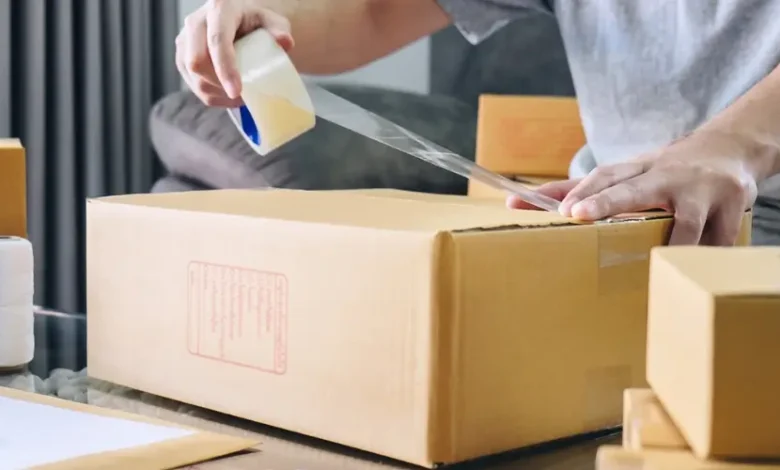
Packaging Costs Add Up Faster Than Most Businesses Expect
Many companies spend a great deal of time managing labor costs, inventory expenses, and transportation budgets while overlooking one area that can significantly impact profitability: packaging.
At first glance, packaging expenses may seem relatively small when compared to payroll or shipping costs. However, when a business ships hundreds or thousands of orders every month, packaging becomes a major operational expense. Boxes, wrapping materials, protective products, and shipping supplies can quickly consume a meaningful portion of a company’s budget.
The good news is that there are numerous opportunities to reduce costs without sacrificing product protection. One of the most effective strategies is partnering with an experienced packaging supplier that knows how to optimize packaging programs for efficiency and long-term savings.
The right supplier does more than sell packaging materials. They help businesses identify waste, improve packaging performance, and lower overall operating costs.
Looking Beyond the Price Tag
One of the biggest mistakes businesses make is focusing exclusively on the price of packaging products. While purchasing materials at a lower cost may seem beneficial, cheaper packaging can often create larger expenses elsewhere.
For example, weak packaging materials can lead to damaged shipments, product returns, and customer complaints. Those costs frequently exceed the savings generated by buying lower-priced materials.
A knowledgeable packaging supplier evaluates packaging from a broader perspective. Instead of simply reducing product costs, they help businesses reduce total packaging expenses by improving efficiency and minimizing losses.
Sometimes spending slightly more on the right materials results in significantly lower overall costs.
Reducing Product Damage Saves Money
Few business expenses are more frustrating than preventable product damage. Every damaged shipment creates additional costs that extend far beyond the value of the product itself.
Replacement orders require additional labor, shipping expenses, and customer service resources. In some situations, businesses may even lose future sales if customers have a negative experience.
One effective way to reduce shipping damage is by improving load stability. Many warehouses use stretch film to secure palletized inventory before transportation.
When applied correctly, stretch film prevents products from shifting during transit. Stable loads are less likely to experience damage, which means fewer replacements and fewer costly returns.
Reducing damage rates is often one of the fastest ways to improve packaging-related profitability.
Lower Transportation Costs Through Better Load Management
Transportation expenses continue to rise across many industries. Businesses are constantly looking for ways to maximize efficiency and reduce unnecessary shipping costs.
Proper pallet preparation plays a major role in achieving this goal. Pallet wrap helps secure products and creates more stable shipments that can be handled efficiently throughout the supply chain.
When pallets remain intact during transportation, companies experience fewer delays and less product loss. Stable loads are also easier to stack and store, helping improve warehouse utilization.
Although pallet wrap is a relatively inexpensive packaging component, it often contributes directly to lower transportation-related expenses.
Small improvements in shipment stability can produce substantial savings over time.
Avoiding Costly Packaging Failures
Packaging failures are expensive. A collapsed pallet or crushed shipment can result in damaged products, rejected deliveries, and additional labor costs.
To prevent these issues, many businesses use edge protectors as part of their packaging process. These reinforcements strengthen vulnerable corners and help distribute pressure more evenly across the load.
Heavy products and stacked pallets place significant stress on packaging materials. Without adequate reinforcement, corners may become damaged during transportation or storage.
Edge protectors help maintain shipment integrity while reducing the likelihood of costly packaging failures. Their relatively low cost makes them one of the simplest ways to improve overall packaging performance.
Choosing the Right Box Size
Many companies unknowingly waste money by using oversized packaging. Larger boxes require more material, take up additional storage space, and often increase shipping costs.
Using properly sized cardboard boxes can help businesses reduce these unnecessary expenses. Right-sized packaging minimizes empty space while improving product protection.
Smaller packages may also lower dimensional weight charges imposed by shipping carriers. Over the course of thousands of shipments, these savings can become significant.
Cardboard boxes remain one of the most cost-effective packaging solutions available, but selecting the appropriate size is essential for maximizing value.
Businesses that regularly review packaging dimensions often uncover opportunities for meaningful cost reductions.
Why Stronger Packaging Can Reduce Expenses
Some companies attempt to lower costs by choosing lighter or weaker packaging materials. While this approach may reduce upfront spending, it often increases expenses elsewhere.
Corrugated boxes provide an excellent example of how stronger packaging can generate long-term savings. Their durable construction helps protect products from impacts and compression during transportation.
Better protection means fewer damaged shipments and fewer product replacements. Corrugated boxes also help maintain customer satisfaction by ensuring products arrive in excellent condition.
The financial benefits of stronger packaging often outweigh the modest increase in material costs. In many cases, durability becomes a cost-saving strategy rather than an added expense.
Minimizing Waste Inside the Package
Excessive packaging not only increases material costs but also adds weight and volume to shipments.
Many businesses use more internal packaging than necessary because they are unsure how much protection products actually require. An experienced supplier can help identify opportunities to optimize protective packaging.
Carefully selected cushioning materials protect products while minimizing unnecessary waste. The goal is to use enough protection to prevent damage without increasing packaging expenses unnecessarily.
Modern cushioning materials are available in a variety of formats, allowing businesses to match protection levels to specific product requirements.
This balanced approach often improves both product protection and cost efficiency.
Consolidating Packaging Purchases
Another effective way to save money is by simplifying procurement. Businesses that purchase packaging materials from multiple vendors often spend more time managing orders, invoices, and inventory levels.
Working with a single packaging supplier can streamline purchasing processes and improve buying power. Consolidated purchasing often leads to better pricing, more consistent inventory availability, and stronger supplier relationships.
Administrative savings should not be overlooked. Reducing purchasing complexity frees employees to focus on higher-value activities while improving operational efficiency.
Over time, these indirect savings can become just as valuable as direct material cost reductions.
Building a Long-Term Packaging Strategy
The most successful businesses do not view packaging as a series of individual purchases. Instead, they treat packaging as an integrated part of their overall operational strategy.
An experienced packaging supplier helps companies evaluate their entire packaging program and identify opportunities for continuous improvement. Whether the goal is reducing product damage, lowering transportation costs, minimizing waste, or improving warehouse efficiency, the right supplier can provide valuable guidance.
Products such as stretch film, pallet wrap, edge protectors, cardboard boxes, corrugated boxes, and cushioning materials all contribute to a larger cost-management strategy when used effectively.
Businesses that regularly review and optimize their packaging programs often discover substantial savings opportunities. In today’s competitive marketplace, controlling packaging costs without sacrificing performance can create a meaningful advantage. The right packaging decisions not only protect products but also protect profits, helping businesses operate more efficiently and grow more successfully over the long term.